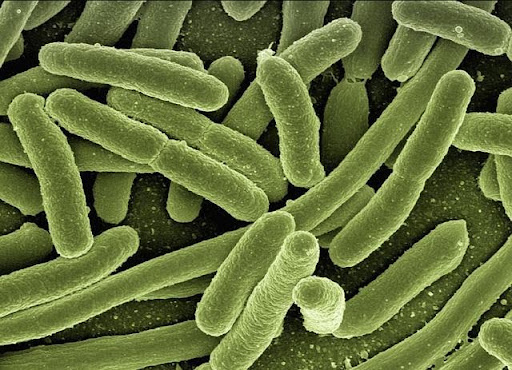
In our increasingly interconnected world, the emergence of infectious diseases poses a constant threat to global health. Diseases, often caused by novel pathogens, challenge the resilience of healthcare systems and can have devastating consequences.
Emergent infectious diseases (EIDs) are those that are newly recognized or have existed previously but are rapidly increasing in incidence or expanding into new geographic regions. These diseases can originate from various sources, including zoonotic spillover (transmission from animals to humans), genetic mutations in pathogens, or changes in environmental conditions that favor the disease’s spread.
A primary cause of EIDs is the transmission of pathogens from animals to humans, a process known as zoonotic spillover. This transmission can occur through various mechanisms:
- Close contact with infected animals, such as in the case of Ebola, can lead to zoonotic transmission. Bats and primates are common reservoirs for Ebola virus.
- Consumption of improperly cooked or contaminated animal products can transmit diseases like avian influenza (bird flu). Contaminated meat and eggs have been sources of outbreaks.
- Many EIDs are spread by insect vectors, such as mosquitoes. Malaria, dengue fever, and Zika virus are all examples of diseases transmitted via mosquito bites.

Pathogens have the capacity to adapt and evolve. Genetic mutations can lead to the emergence of new strains, increasing their virulence or their ability to infect different hosts. For example:
- Influenza: Influenza viruses are notorious for their ability to undergo frequent genetic changes, leading to the emergence of new strains. These changes can necessitate the development of updated vaccines each flu season.
- HIV: The human immunodeficiency virus (HIV) has evolved into different subtypes, making the development of a universal HIV vaccine challenging.
Environmental changes and disturbances can create conditions favorable for the emergence and spread of EIDs. Factors include:
- The destruction of natural habitats can bring humans into closer contact with wildlife and their pathogens, leading to increased zoonotic spillover. For example, the deforestation of rainforests has been linked to outbreaks of diseases like Ebola.
- Alterations in climate patterns can affect the distribution and behavior of disease-carrying vectors, such as mosquitoes. This has contributed to the expansion of diseases like malaria and dengue fever into new regions.
- Destruction of habitats can lead to the displacement of animals, forcing them into closer proximity with humans and domestic animals, increasing the risk of zoonotic transmission.

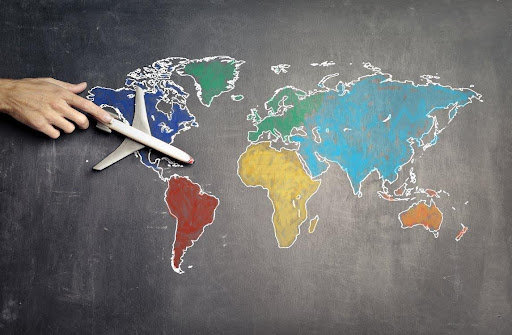
In our interconnected world, globalization plays a significant role in the spread of infectious diseases. The movement of people, goods, and information can facilitate the rapid transmission of diseases. Factors contributing to this include:
- Air Travel: International air travel allows infected individuals to carry diseases across continents within hours, making containment challenging.
- Trade: The global movement of goods can lead to the inadvertent spread of pathogens, including those that contaminate food products or are transmitted by invasive species.
- Urbanization: Rapid urbanization results in densely populated cities with inadequate sanitation and healthcare systems, creating ideal conditions for the spread of diseases like cholera and tuberculosis.
Infectious disease outbreaks are unpredictable events that can have devastating consequences on public health. Responding effectively to these crises requires a combination of rapid response, resource mobilization, and international cooperation. The emergence of infectious diseases will continue to challenge our global society. As human activities intersect with the natural world, and as pathogens adapt to new conditions, the risk of EIDs remains ever-present.
Enroll today in our NYS Mandated Infection Control Training for healthcare workers. Start this approved continuing education (CEU) training anytime with #1 AAA CE Trainings at aaaceonline.com. Convenient, hassle-free, self-paced online training. On demand 24/7 workshop access. Same-day, immediate official Certificate of Completion.
Reach us I Email: [email protected] I Website