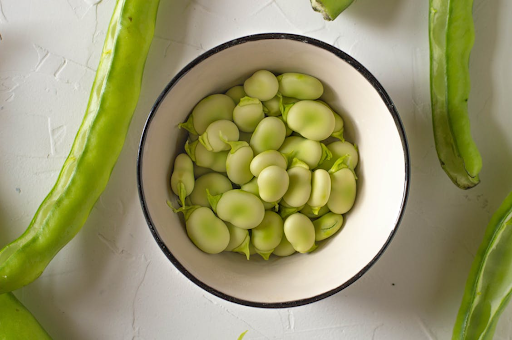
Every year, billions of tons of food are discarded worldwide, contributing to environmental degradation and food insecurity. However, a powerful movement is emerging, offering a solution that not only mitigates food waste but also provides nourishment and supports sustainable practices.
According to the Food and Agriculture Organization (FAO) of the United Nations, approximately one-third of all food produced globally is lost or wasted. This amounts to roughly 1.3 billion tons of food each year, a staggering figure that reflects the inefficiencies and challenges within our food systems.
Food waste occurs at various stages of the supply chain. It can be the result of imperfect produce being discarded by farmers, surplus goods unsold by retailers, or leftovers and expired products thrown away by consumers. This waste has significant environmental, economic, and social consequences, from greenhouse gas emissions to lost resources and hunger.
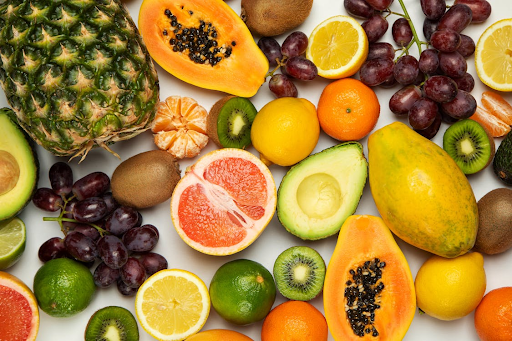
In response to the food waste crisis, a growing number of individuals and organizations have turned to upcycling food as a solution. Upcycling is the process of transforming waste or by-products into new, higher-value products. Applied to food, upcycling seeks to repurpose food scraps, surplus ingredients, and imperfect produce into edible and nutritious products. The essence of upcycling food lies in its ability to extract value from items that might otherwise be discarded. It aligns with the principles of sustainability, circular economy, and responsible consumption, making it a powerful tool in the fight against food waste.
The world of upcycling food is marked by innovation, creativity, and a commitment to reducing waste. Many chefs and restaurants have embraced upcycling food by incorporating food scraps into their dishes, not only reducing waste but also introducing new flavors and textures. For example, carrot tops, once considered a waste product, can be used to make pesto, bringing a fresh and herby twist to sauces and dips. Similarly, stale bread is transformed into croutons or bread pudding, adding a satisfying crunch or sweet treat to menus. This approach to upcycling food is not only environmentally friendly but also allows chefs to think outside the box and create unique culinary experiences.
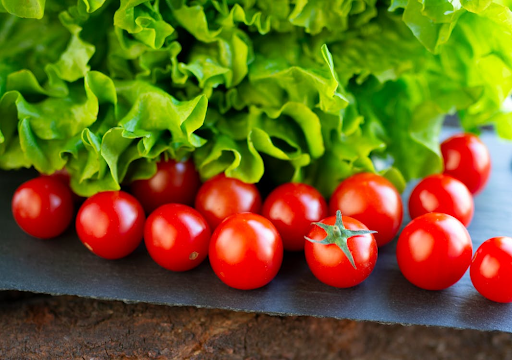
Upcycling food has a triple benefit, positively impacting the environment, economy, and food security. Firstly, it reduces the environmental footprint of food production and disposal, minimizing greenhouse gas emissions, conserving water resources, and decreasing the energy required to produce new food items. Secondly, upcycling creates economic opportunities at various levels of the supply chain, allowing farmers to sell surplus or imperfect produce and food entrepreneurs to develop innovative upcycled products, thereby fostering a more sustainable and diversified food economy. Finally, by making use of food that would otherwise be wasted, upcycling contributes to food security, providing nourishment to communities and individuals, particularly in areas where access to fresh produce is limited. This approach not only reduces waste but also promotes sustainable and equitable food systems.
By transforming food scraps, surplus ingredients, and imperfect produce into valuable products, the upcycling food movement simultaneously addresses environmental, economic, and social challenges. Upcycling food is not just a trend; it’s a solution that resonates with our shared responsibility to protect the planet and ensure that no food goes to waste. Enroll today in our NYS approved continuing education (CEU) training anytime with #1 AAA CE Trainings at aaaceonline.com. Convenient, hassle-free, self-paced online training. On demand 24/7 workshop access. Same-day, immediate official Certificate of Completion.
Reach us I Email: [email protected] I Website