
Infection control is essential in barbering to ensure the safety and health of both clients and staff. Barbers work in close contact with clients and frequently use shared tools and equipment, which can become sources of infection if proper hygiene practices are not followed. Implementing effective infection control measures helps prevent the spread of infectious agents, promotes a professional environment, and complies with health regulations.
One of the main reasons for strict infection control is to prevent the transmission of blood-borne pathogens such as HIV, hepatitis B, and hepatitis C. These viruses can spread through contact with contaminated blood or bodily fluids. Barbers often perform procedures involving cuts, nicks, or shaving, which can create entry points for infections. Proper sterilization and disinfection of tools like razors, scissors, and clippers between clients are critical to eliminate these risks.
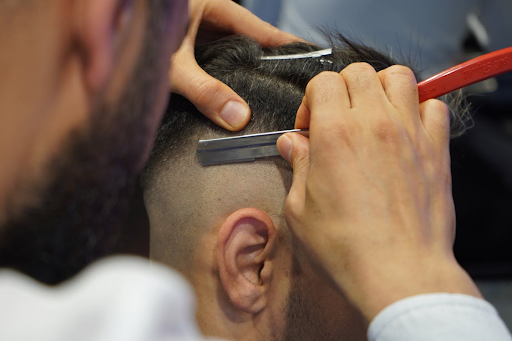
Beyond blood-borne diseases, bacteria and fungi pose significant health threats in barbering environments. Unsanitary tools and surfaces can harbor bacteria like Staphylococcus aureus or fungi that cause skin infections and other health issues. Regular cleaning and sterilization of tools, chairs, and work surfaces are vital to prevent cross-contamination.
Skin infections are particularly common in barbering, especially when hygiene standards are neglected. Cuts or abrasions can become infected if infected tools or contaminated hands come into contact with broken skin. Therefore, hand hygiene, thorough washing or use of hand sanitizers, before and after each client is crucial. Wearing gloves during procedures can also reduce
infection risks.
Proper waste disposal is another key aspect of infection control. Used blades, razors, and other disposable items must be disposed of safely in designated containers to prevent injuries and the spread of pathogens. Reusable tools should be sterilized using autoclaves or other approved methods to ensure they are free of harmful microorganisms.

Training in Infection Control and Bloodborne Pathogen and education are vital for maintaining high standards of infection control. Barber professionals should be knowledgeable about sterilization techniques, hygiene practices, and safe waste management. Regular updates and adherence to local health regulations help ensure safety standards are maintained.
Finally, infection control in barbering protects clients, staff, and the reputation of the business. It involves proper sterilization, disinfection, waste disposal, hand hygiene, and ongoing staff training. Prioritizing these practices creates a safe environment, fosters trust, and upholds the professionalism of barbering as a responsible service industry.
Enroll today in on demand 24/7 workshop access Infection Control and Bloodborne Pathogen, Iowa Barber Infection Control and Teaching Methodologies for Iowa Barber Instructors and anytime with #1 AAA CE Trainings. Convenient, hassle-free, self-paced online training. Same-day, immediate official Certificate of Completion.
Reach us I Email: [email protected] I Website