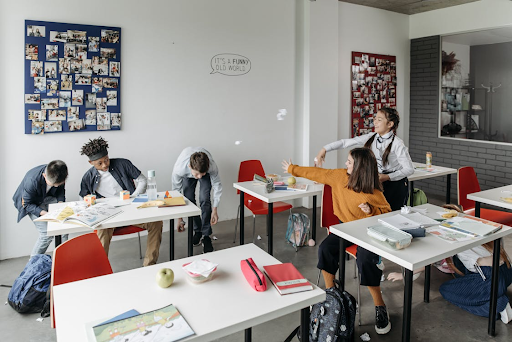
In our dynamic and interconnected professional landscape, technical expertise alone is no longer sufficient for achieving success. Soft skills, often considered the secret sauce of a well-rounded individual, play a pivotal role in career advancement, effective collaboration, and personal development.
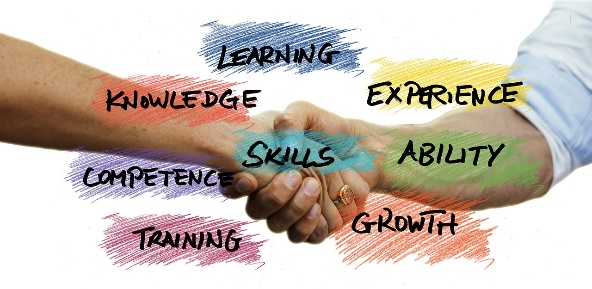
What are soft skills?
Soft skills are personal and social qualities that help you work well with others and handle different situations. Unlike technical skills (like using a computer), soft skills are useful in many parts of life. These include good communication, understanding feelings, being flexible, working in a team, solving problems, managing your time, leading others, being creative, making friends, and solving fights. Soft skills are important for success at work and in life because they show how well you get along with others, handle challenges, and help your team. They are about your emotional and social abilities, not just your technical knowledge.
Why are soft skills important?
Soft skills are important in today’s world because they help people communicate, work well with others, and grow personally. Employers value these skills because knowing the job isn’t enough, being able to talk, adapt, and work in a team makes a big difference. Good soft skills help create a positive work environment, lead others, solve problems, and handle conflicts. They’re also important in everyday life, helping you build strong relationships and handle social situations. As the world changes, having strong soft skills can help you succeed in many areas of life.

Good communication skills are essential for success at work and in life. They involve clearly sharing your ideas and listening carefully to others. When you communicate well, teamwork improves, problems get solved faster, and relationships grow stronger. In the workplace, clear communication helps teams collaborate smoothly and resolve conflicts. In personal life, it builds trust and deepens connections.
- Emotional intelligence is about understanding and managing your feelings, and caring about others’ feelings. People with high emotional intelligence handle social situations better, stay calm under pressure, and build strong relationships. Good emotional intelligence makes teamwork easier and creates a positive environment.
- Adaptability means being flexible and open to change. It helps you handle new situations easily, adjust plans when needed, and stay resilient during tough times. In a fast-changing world, adaptability helps you grow personally and succeed professionally.
- Teamwork involves working well with others to reach common goals. Respecting different opinions, helping out, and understanding how groups work is key. Good teamwork makes work more productive, sparks creativity, and creates a friendly atmosphere.
- Problem-solving skills help you find solutions to challenges. It involves analyzing issues, identifying causes, and coming up with effective fixes. Strong problem-solving helps organizations succeed.
- Leadership is about inspiring and guiding others, motivating teams, sharing responsibilities, and being responsible. Good leaders create positive environments and help everyone do their best.
- Networking means building genuine professional relationships. It involves connecting with others, creating a supportive community, and using these connections to grow your career.
- Conflict resolution is managing disagreements calmly and fairly. It involves listening, communicating well, and working together to find solutions that benefit everyone.
As individuals invest time and effort into honing these skills, they position themselves to thrive in a world that values not only what they know but how effectively they can apply their knowledge in diverse and dynamic situations. Start our NYS approved training anytime with #1 AAA CE Trainings at aaaceonline.com. Convenient, hassle-free, online training. On demand 24/7 workshops access. Same-day, immediate official Certificate of Completion.
Reach us I Email: [email protected] I Website