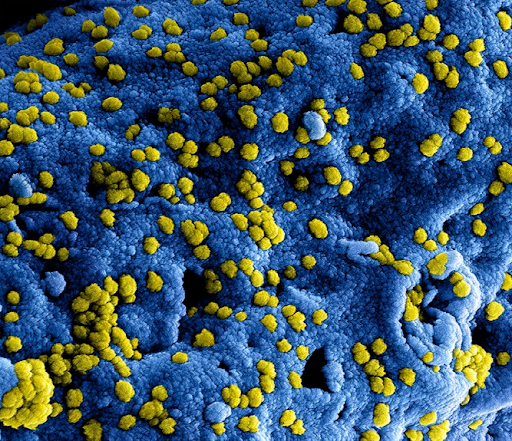
Hantaviruses are a group of viruses that vary by region and the infectious disease they cause. Key types include Hantaan, Dobrava-Banjica, and Seoul viruses in Asia and Europe, which mainly cause Hemorrhagic Fever with Renal Syndrome (HFRS). Puumala virus, also in Europe, causes a milder illness called Nephropathia Epidemica. The Andes virus in South America can be transmitted person-to-person and causes Hantavirus Pulmonary Syndrome (HPS), while Sin Nombre virus in North America also causes HPS and is transmitted by deer mice. These viruses differ in their geographic distribution, rodent hosts, and clinical effects.
Person-to-person transmission of hantavirus is extremely rare and not a common route of infection. Hantaviruses are primarily transmitted through contact with infected rodent excreta, such as urine, feces, or saliva, or via inhalation of aerosolized particles contaminated with these excreta. The primary mode of transmission to humans involves exposure to environments contaminated by infected rodents, especially in rural or suburban areas with high rodent populations.

Evidence-based data indicates that hantavirus does not typically spread from person to person. However, certain strains, such as the Andes virus in South America, have demonstrated the ability for human-to-human transmission through close contact with infectious bodily fluids, including blood, saliva, or respiratory secretions. Despite this, such cases are exceedingly rare and primarily documented in specific outbreaks involving Andes virus.

Precautionary measures for preventing hantavirus infection should focus on minimizing contact with rodent vectors and their secretions. These include sealing gaps and holes in homes to prevent rodent entry, safely cleaning areas with rodent droppings using wet cloths or disinfectants to avoid aerosolizing the virus, and storing food securely to deter rodents. When cleaning potentially contaminated areas, wearing gloves, masks (such as N95 respirators), and protective clothing is advised.
In contexts where person-to-person transmission has been documented, such as with Andes virus, strict infection control measures
are necessary. These include isolating infected individuals, practicing proper hand hygiene, and using personal protective equipment when in contact with bodily fluids. Healthcare workers should follow standard precautions, including gloves and masks, to prevent potential transmission.
Enroll today in our NYS Mandated Infection Control Training for healthcare workers. Start this approved continuing education (CEU) training anytime with #1 AAA CE Trainings at aaaceonline.com. Convenient, hassle-free, self-paced online training. On demand 24/7 workshop access. Same-day, immediate official Certificate of Completion.
Reach us I Email: [email protected] I Website