
In our fast-paced world, stress has become a common part of life. It’s an emotional and physical response to the demands and challenges we face daily. While a little stress can motivate us, too much or prolonged stress can harm our health, both mentally and physically. That’s why being aware of our stress levels is so important. Tracking stress helps us understand what causes it and how it affects us, so we can take steps to manage it better. By paying attention to our stress, we can identify triggers like work pressure, relationship issues, or health problems. This awareness allows us to develop strategies to cope, such as relaxation techniques, exercise, or seeking support, helping us stay healthier and more balanced.
There are several ways to track stress:
- Journaling is a simple method where you record your daily feelings, experiences, and physical sensations related to stress.
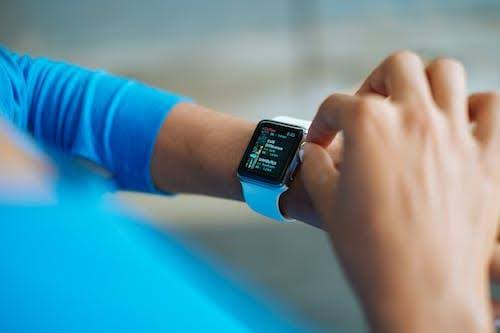
- Modern technology also offers tools like smartwatches and heart rate monitors that measure physiological signs such as heart rate variability, which can indicate stress levels.
- Questionnaires like the Perceived Stress Scale help quantify how stressed you feel over time.
- Biofeedback devices monitor physical responses like muscle tension or skin conductance, teaching us how to control stress responses better. Many mobile apps and wearable gadgets combine these methods, providing real-time insights into our stress patterns, making it easier to recognize and address stress early.

Tracking stress provides many benefits. It increases self-awareness, helping us recognize what triggers our stress and how we respond. With this knowledge, we can create personalized stress management plans tailored to our lifestyles. Early detection of excessive stress allows us to seek help or make lifestyle changes before problems worsen. Understanding our stress patterns also gives us a sense of control over our mental and physical health, boosting resilience and confidence. When combined with healthy coping strategies, stress tracking can help us recover from setbacks more quickly and handle life’s challenges more effectively.

However, there are some challenges to keep in mind. Stress is highly subjective, meaning different people experience and interpret it differently. This makes standard measurements difficult. Privacy is another concern, especially with technology that collects personal health data. It’s important to choose secure apps and devices that protect your information. Additionally, stress often results from a mix of genetic, environmental, and personal factors, which can be hard to fully capture through tracking alone. Self-reporting methods like journaling rely on memory and honesty, which can sometimes lead to inaccuracies. Despite these challenges, actively monitoring stress allows us to better understand ourselves and make healthier choices. Embracing stress tracking is a proactive step toward a more mindful, resilient, and balanced life, helping us navigate the complexities of modern living with greater awareness and confidence.
Start our NYS approved training anytime with #1 AAA CE Trainings at aaaceonline.com. Convenient, hassle-free, online training. On demand 24/7 workshops access. Same-day, immediate official Certificate of Completion.
Reach us I Email: [email protected] I Website