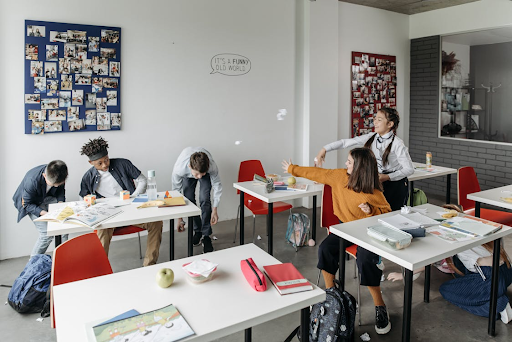
Managing a disruptive classroom requires a combination of proactive strategies and effective interventions. One of the most effective ways to reduce disruptions is by establishing clear expectations and routines from the beginning of the school year. When students understand what behaviors are acceptable and the consequences of misbehavior, they are more likely to follow the rules. Consistent enforcement of rules and routines helps create a structured environment that minimizes opportunities for disruptions. Additionally, setting engaging and meaningful lessons can keep students interested and focused, reducing boredom and off-task behavior that often lead to disruptions.

Another approach involves building strong relationships with students. When teachers take time to connect with their students and understand their individual needs and interests, students tend to feel more respected and motivated to behave appropriately. Positive reinforcement strategies, such as praise or rewards for good behavior, encourage students to follow classroom rules. Implementing a system of clear, consistent consequences for disruptive behavior also helps maintain order. For instance, using a behavior chart or a timeout system can provide immediate feedback and discourage ongoing disruptions. Moreover, involving students in creating classroom rules fosters a sense of ownership and responsibility, which can lead to fewer behavioral issues.

Finally, teachers can utilize specific classroom management techniques to handle disruptions when they occur. Techniques such as non-verbal cues, like eye contact or hand signals, can address minor disruptions quietly and efficiently. Redirecting students’ attention with engaging questions or activities can also defuse disruptive behavior. For more persistent disruptions, calmly addressing the behavior without raising the voice helps de-escalate the situation. In some cases, separating the disruptive student from the group temporarily or providing a designated quiet space can help them regain self-control. By combining proactive strategies with effective intervention techniques, teachers can create a more conducive learning environment and minimize classroom disruptions.
Enroll today in our NYS approved continuing education (CEU) training anytime with #1 AAA CE Trainings at aaaceonline.com. Convenient, hassle-free, self-paced online training. On demand 24/7 workshop access. Same-day, immediate official Certificate of Completion.
Reach us I Email: [email protected] I Website